I first visited the Centre Georges Pompidou in 1977, the year it opened. The building felt shocking in its modernity. I had never seen anything like it — exposed pipes and bold colors, right in the heart of Paris. How could this belong in the same city as the Louvre?
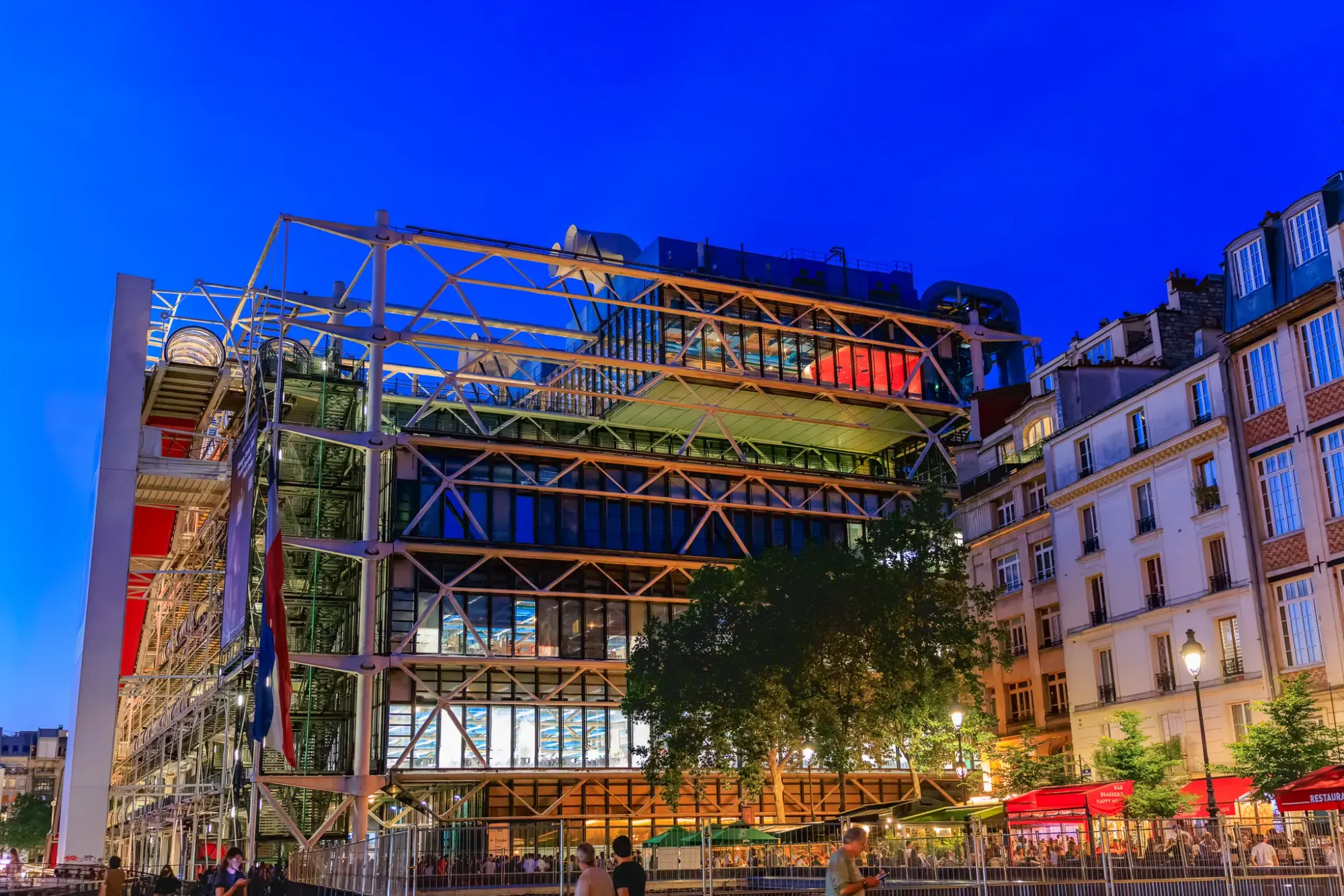
The design came from two young architects, Renzo Piano and Richard Rogers, who turned the building inside out — pushing structure, escalators, and utilities to the exterior and leaving the interior wide open. President Georges Pompidou had wanted something open and democratic, a place where tradition and the avant-garde could meet. In 1977, it looked like nothing else in Paris.
Over the years, as I returned, I grew to love it. The plaza in front always recharged me — young people sprawled on the ground, laughing, playing music, filling the courtyard with life.
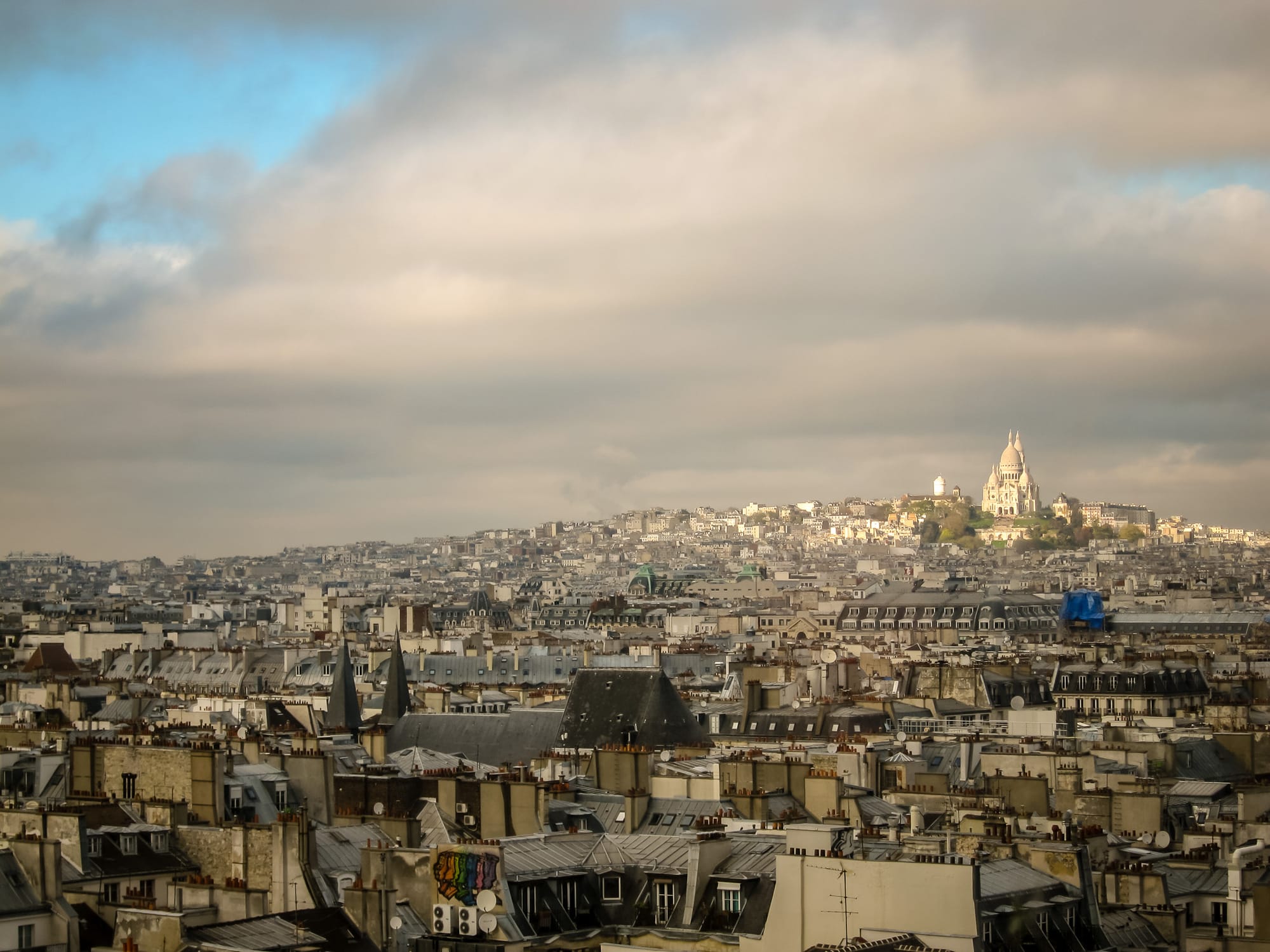
I remember riding the exterior escalator, climbing above the rooftops of Paris. From there, the city unfolded — Sacré-Cœur glowing on the horizon.
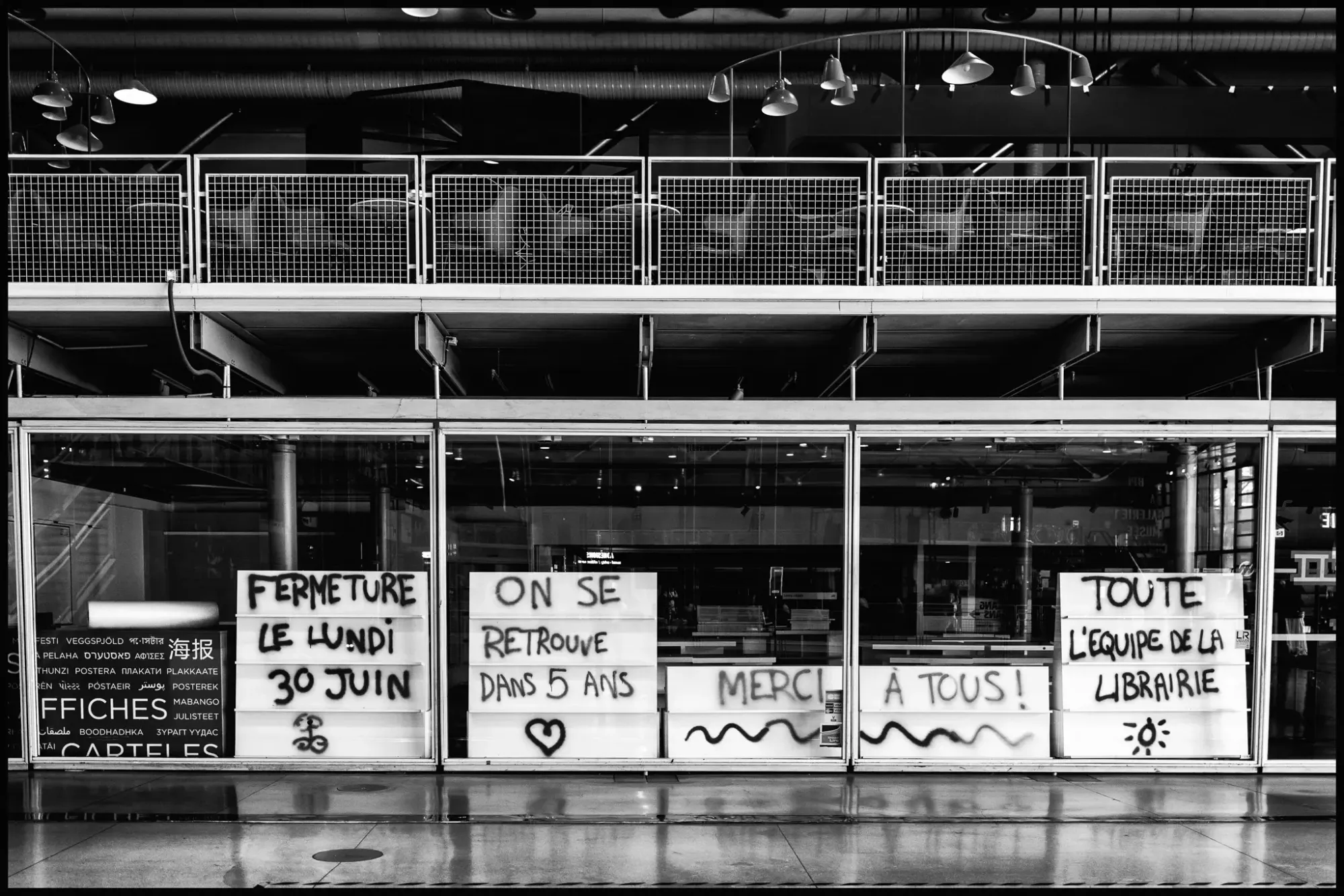
Now the Pompidou is closed for renovation, with reopening planned for 2030. I don't know when I will see it again. What I do know is that I will miss it.
The Pompidou began as something I thought was too modern, almost jarring, and became a place that makes me think of the Paris I love just as much as the Louvre. A great city must evolve.